












Pride HealthPride Health
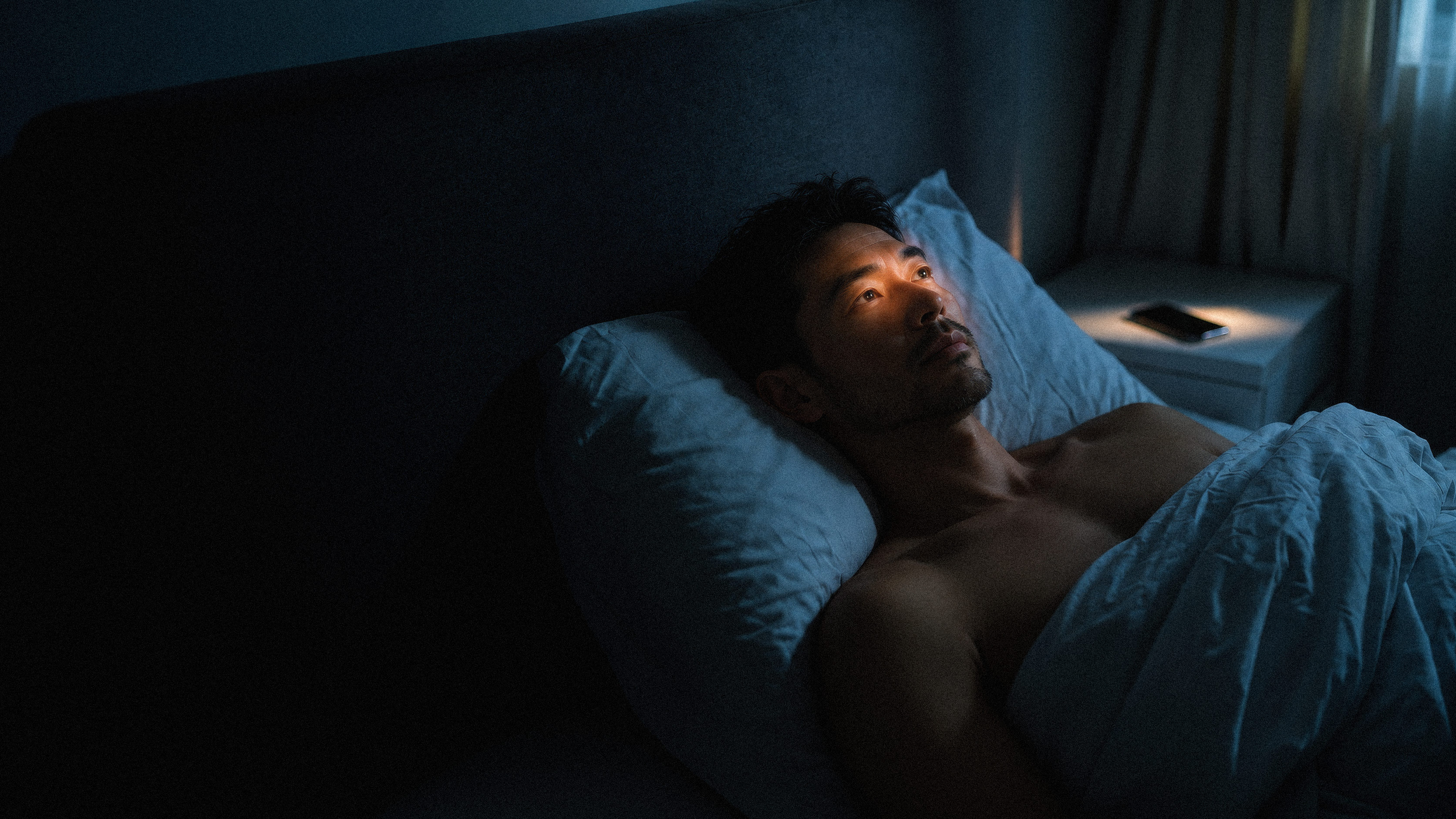
A person lying awake in bed at night

Better sleep starts with understanding what's keeping you awake.

The gap no one talks about.

Sleep medicines are tightly controlled for good reason — yet unregulated sellers fill the space, and almost no one offers real continuity of care. Here's what's actually going on.

1

Sleep medicines are tightly controlled — for good reason.

They carry real dependence and rebound risks, so regulators restrict who can prescribe and dispense them.

2

Unregulated sellers fill the gap.

Street pharmacies and online sellers dispense without assessment, follow-up or any continuity of care.

3

Almost nobody provides continuity of care.

Most people are left to manage sleep on their own — starting, stopping and combining medicines without guidance.

Sleep care, made simple.

A few simple steps. A plan built around you — not a product grid.

Complete a short sleep questionnaire
1

Complete a short sleep questionnaire

Tell us what's going on — trouble falling asleep, staying asleep, or waking exhausted.

Licensed clinician review
2

Licensed clinician review

A clinician reviews your assessment, or offers a teleconsultation if needed.

Personalised plan
3

Personalised plan

A plan built around you — behavioural first, with medication only where appropriate.

Ongoing monitoring and support
4

Ongoing monitoring and support

Dose reviews, check-ins and tapering support, so you're never left on your own.

There's no universal sleep fix. What works for someone else may not work for you — which is exactly why a plan should be built around your sleep, not a product grid.

What a personalised plan can include.

Category-level only. No brands, no prices, no add-to-cart — just what a clinician may consider for you.

Sleep hygiene & a CBT-I style behavioural protocol
1

Sleep hygiene & a CBT-I style behavioural protocol

The honest hero of this page. First-line in every major guideline and entirely unrestricted.

Screening for treatable causes
2

Screening for treatable causes

Apnoea, thyroid, mood, substance use and shift-work rhythm — checked before reaching for a prescription.

Non-controlled supportive options
3

Non-controlled supportive options

Where indicated, a clinician may recommend non-controlled options that don't carry dependence risk.

Referral to a partner clinic
4

Referral to a partner clinic

For anything requiring controlled dispensing or in-person review, we refer you to a trusted partner clinic.

Understanding the three classes of sleep medication.

Class-level only — how each works, what it's for, and the honest risk profile. Ordered from most to least conservative. No brand names, no dosing, no add-to-cart.

Class 1 — Orexin receptor antagonists (ORA)
Class 1

Orexin receptor antagonists (ORA)

Newer mechanism: blocks the wakefulness signal rather than sedating the brain.

Lower dependence and rebound profile than GABA-A agents; next-day drowsiness is the main consideration.

Use case

Helps you fall and stay asleep with a different approach.

Class 2 — Peptide therapies
Class 2

Peptide therapies

Targeted compounds designed to influence specific biological pathways.

Side effects vary by peptide. Long-term safety data may be limited.

Use case

Used selectively to support recovery, metabolism, body composition and other defined health goals.

Class 3 — GABA-A agents (benzodiazepines & z-drugs)
Class 3

GABA-A agents (benzodiazepines & z-drugs)

Both act on the same GABA-A receptor complex.

Highest dependence and rebound-insomnia risk. Intended for short courses, not indefinite use.

Use case

Most effective short-term.

Class 1 — Orexin receptor antagonists (ORA)
Class 1

Orexin receptor antagonists (ORA)

Newer mechanism: blocks the wakefulness signal rather than sedating the brain.

Lower dependence and rebound profile than GABA-A agents; next-day drowsiness is the main consideration.

Use case

Helps you fall and stay asleep with a different approach.

Class 2 — Peptide therapies
Class 2

Peptide therapies

Targeted compounds designed to influence specific biological pathways.

Side effects vary by peptide. Long-term safety data may be limited.

Use case

Used selectively to support recovery, metabolism, body composition and other defined health goals.

Class 3 — GABA-A agents (benzodiazepines & z-drugs)
Class 3

GABA-A agents (benzodiazepines & z-drugs)

Both act on the same GABA-A receptor complex.

Highest dependence and rebound-insomnia risk. Intended for short courses, not indefinite use.

Use case

Most effective short-term.

Sleep peptides & investigational compounds.

Several peptides have been studied for effects on sleep architecture, stress response or circadian timing. The evidence is early, and most lack large-scale human trials.

Risks and considerations

  • — Most sleep peptides lack large-scale human clinical trials and standard pharmacy oversight.
  • — Improper timing of growth hormone secretagogues can disrupt natural circadian rhythms instead of fixing them.
Ipamorelin & CJC-1295

Ipamorelin & CJC-1295

Amplifies nocturnal growth hormone release, which naturally peaks during slow-wave (deep) sleep to support physical recovery.

Delta Sleep-Inducing Peptide (DSIP)

Delta Sleep-Inducing Peptide (DSIP)

A neuropeptide historically studied for promoting deep sleep stages, though human clinical data remains weak and limited.

Selank

Selank

An anxiolytic (anti-anxiety) nasal spray peptide that helps calm a hyperactive nervous system — useful for anxiety-driven insomnia.

Epithalon

Epithalon

Studied for its potential to regulate age-related circadian disruptions and support nocturnal melatonin production.

Expert care, grounded in medicine.

No waiting rooms. No judgment.

What you share is stored securely and only seen by the clinicians involved in your care. Sleep sits close to mental health, so we treat privacy as part of the care — not an afterthought.

Dr. Boom Kantamalee

Dr. Boom Kantamalee

Languages:
English, Thai

A specialist in infectious diseases and sexual health with a growing focus on sleep and circadian health. Dr. Boom brings a judgment-free, whole-person approach — including helping people understand what's actually keeping them awake.

Dr. Jakkrapatara Boonruang (Fair)

Dr. Jakkrapatara Boonruang (Fair)

Languages:
English, Thai

A sexual health physician who also supports patients with sleep concerns — from behavioural first-line approaches to careful medication review and tapering. Dr. Fair delivers evidence-based, judgment-free care.

Frequently Asked Questions